I’m Nobody! Who are you?
Are you – Nobody – too?
Then there’s a pair of us!
Don’t tell! They’d advertise – you know!
How dreary – to be – Somebody!
How public – like a Frog –
To tell one’s name – the livelong June –
To an admiring Bog!
– Emily Dickinson
As I query dozens of literary agents, I keep hearing this poem in my head. Even though I have had some positive replies, I am in waiting mode, where the default response is silence. After spending every day for the last three years writing, brainstorming, or in other ways dedicating myself to my book, silence feels excruciating.
My therapist, a brilliant woman who is an author herself, has counseled me about this stage in my writing life. She says that waiting for responses from agents creates a situation where I have lost mastery over my own life—and I should regain it by writing and posting about the journey. Instead of solely writing in my journal, she suggests sharing my experience with the world, as much and as often as possible. So here I am.
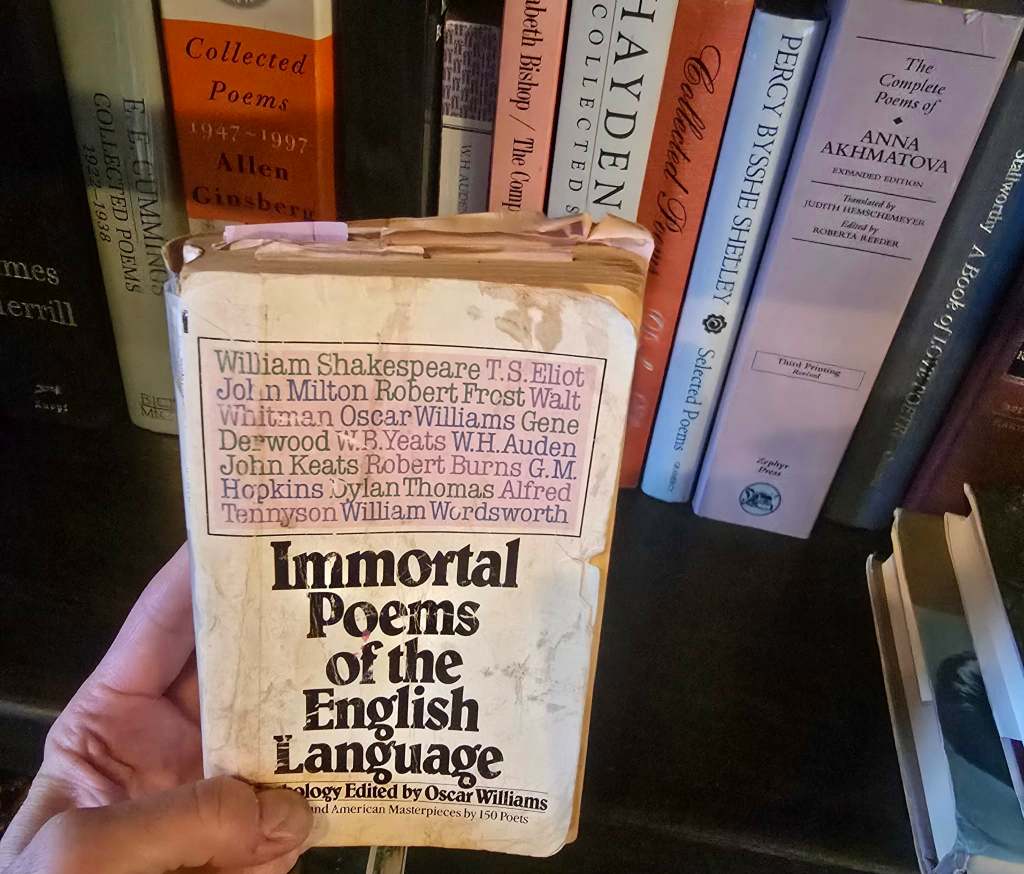
I first discovered Emily Dickinson when I was in junior high. I had purchased a paperback anthology called Immortal Poems of the English Language. “I’m Nobody” was not in this anthology, but as I read Dickinson, I felt like someone had finally put my own feelings on the page.
By then, I had already fallen in love with Wordsworth and Whitman, but Dickinson was a woman, and she seemed to capture a sense of feminine powerlessness I felt every day as an adolescent girl. Somehow, as an unmarried woman in the nineteenth century, with little agency over her own life, Dickinson transformed her own disempowerment into something truly formidable.
Because she wrote.
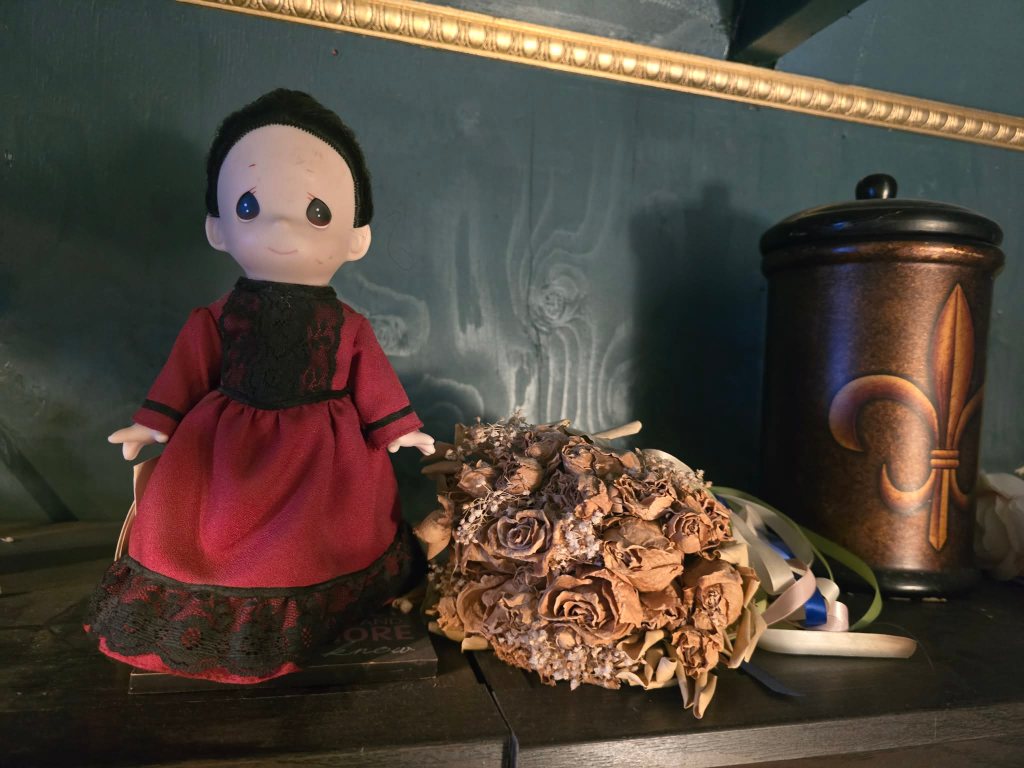
After I discovered Dickinson, I began storing all my writing in a latched paperboard trunk. I romanticized the idea that I could lock all my work away, and somehow it would mean as much as hers did. I loved the idea that after I died, someone would open my trunk someday and discover the beauty hiding there. Like my other teenaged delusions, that belief was not sustainable. As I have aged, all of my beliefs have evolved, and this one has too. Now, I want to share my experiences with the world.
To a writer trying to publish her first book, the querying process can feel like a fundamentally disempowering experience.
So I continue writing, and instead of locking it away, I am sharing it here. If you have connected with any of my writing over the years, I could use your support. Join me on my journey, and together we will keep all of our writing out of the proverbial locked trunk.
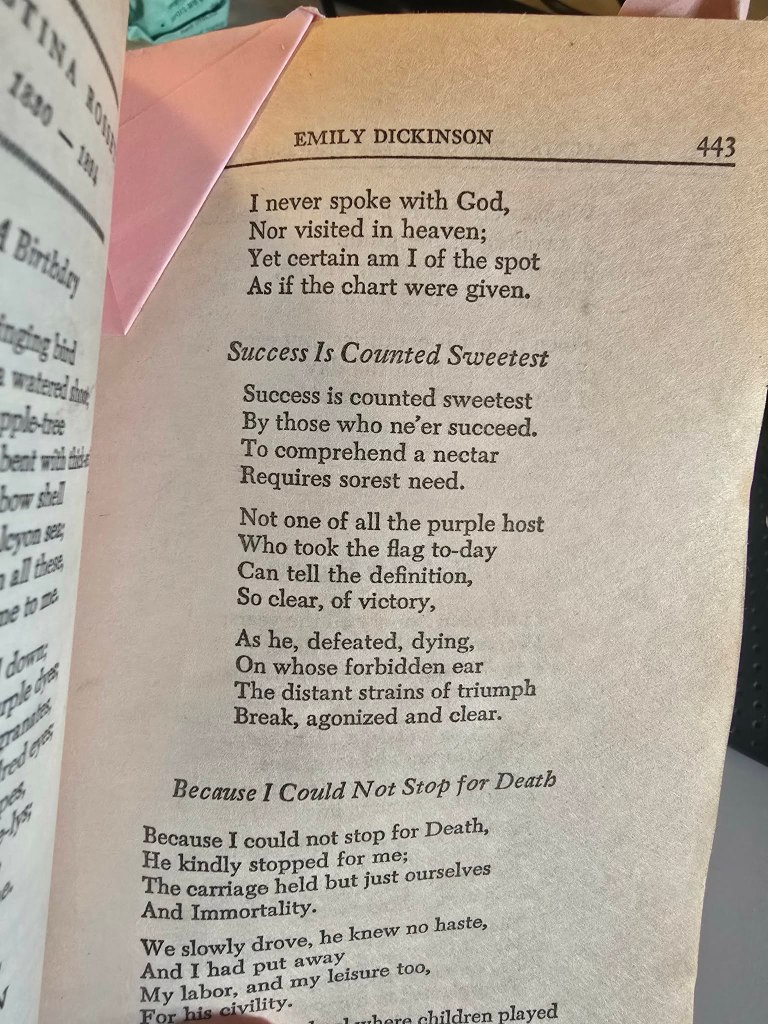
After all, Emily Dickinson also wrote about success, arguing that only those who have failed, struggled, or experienced deprivation can understand what it means to succeed. It was one of the few poems published during her lifetime. It’s also one of the few poems by Dickinson included in my Immortal anthology. I earmarked it at thirteen years old, perhaps understanding then that I too longed to be formidable.
Success is counted sweetest
By those who ne’er succeed.
To comprehend a nectar
Requires sorest need.
Not one of all the purple Host
Who took the Flag today
Can tell the definition
So clear of victory
As he defeated – dying –
On whose forbidden ear
The distant strains of triumph
Burst agonized and clear!
Both of the poems featured in this post are by Emily Dickinson and available on the Emily Dickinson Museum website.

